book

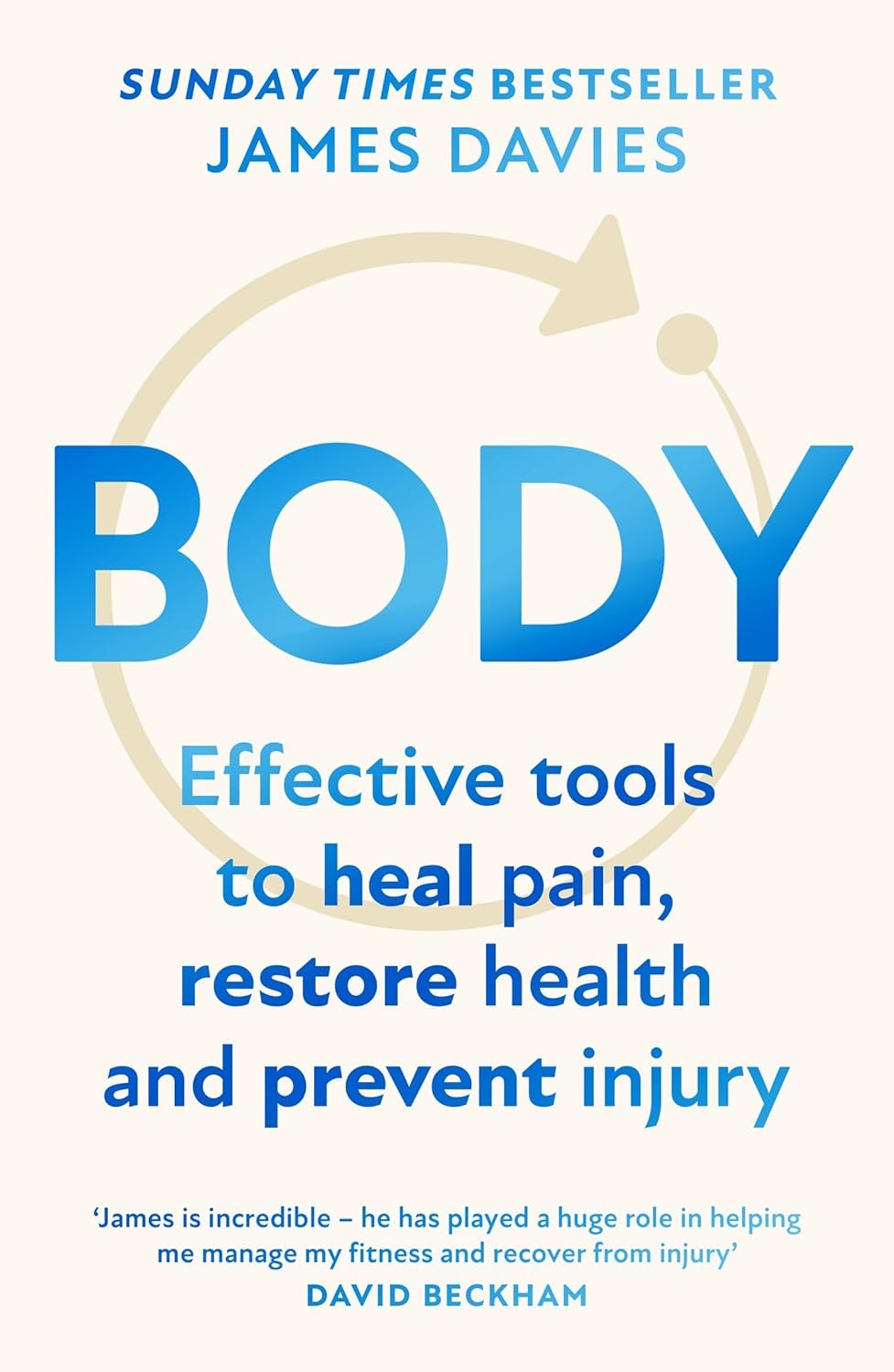
BODY: Effective tools to heal pain, restore health and prevent injury

  • Writen by Davies , James
  • Publisher HQ
  • ISBN 9780008524104
  • Publication Date 2024

‘James is incredible – he has played a huge role in helping me manage my fitness and recover from injury over the years’ David Beckham

Stress, anxiety, injury, everyday wear and tear.

Life takes its toll on our bodies and it can be so easy to suffer through the aches and pains when it feels like you don't have the time, money or resources to fix them.

In Body, James Davies gives you everything you need to heal, reset and restore your body to manage everyday niggles and more serious injury. From arthritis and muscle strains to IBS and stress, James has compiled everything he's learned as an internationally renowned physio and osteopath to give you all the tools you need. Simply explained and with case studies along the way this book is the go-to book for looking after your body.

Empower yourself with the knowledge you need to achieve full-body health and keep your body moving.

BODY was number 9 in the Sunday Times Bestseller Chart w/b 12th September 2022
Suggested Books

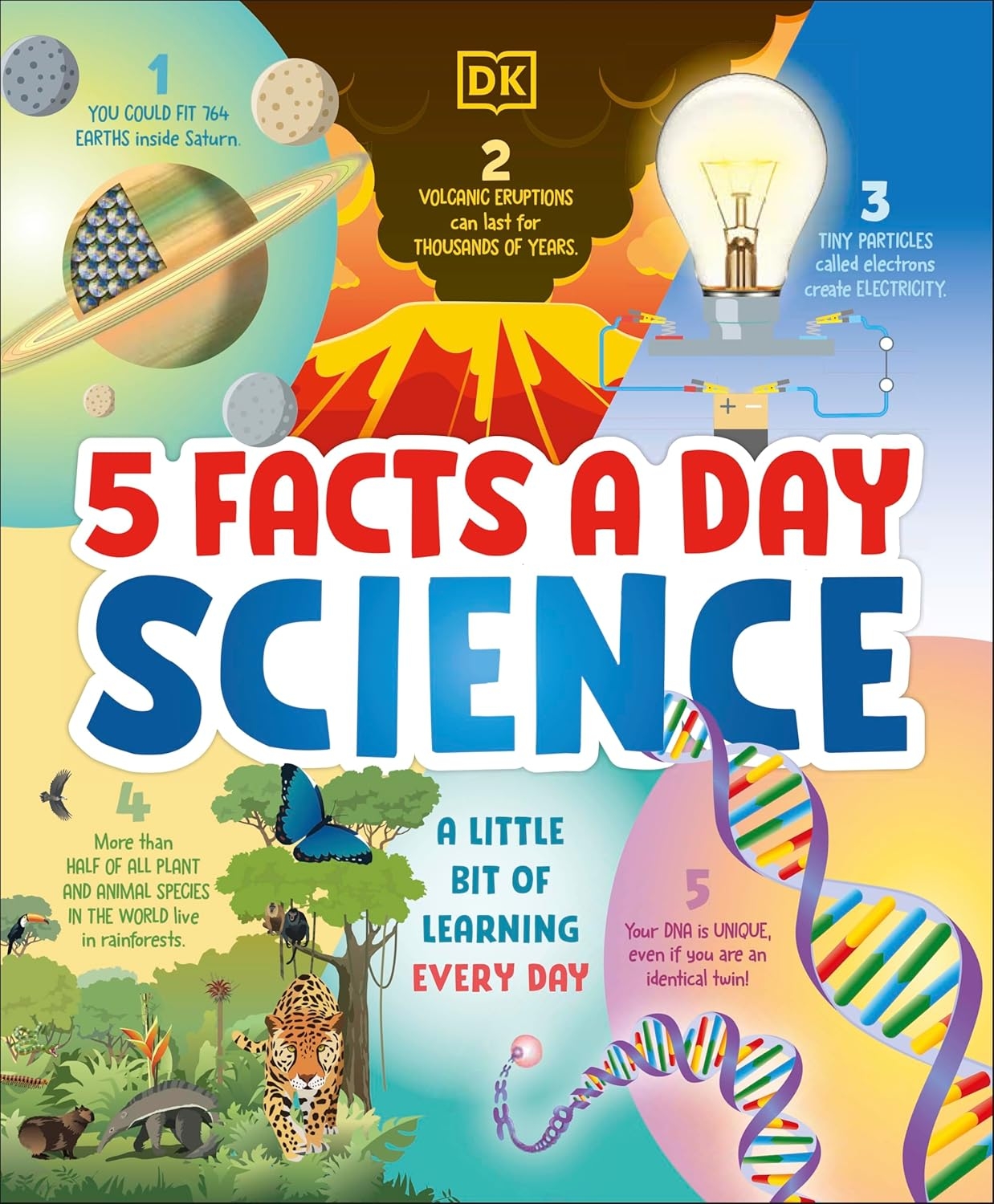
Are you ready to have your mind blown? Wow all your friends and family with 5 jaw-dropping facts about science each day.

Discover 5 facts a day, 5 days a week with this exciting science book for children aged 8-12. With five facts a day, every day of the year, that's more than 1,825 nuggets of knowledge!

From rocks to robots, and cells to solar systems, this eye-opening book covers more than 250 different science topics in an easy-to-read, entertaining, and bite-sized way to build on your knowledge as you go. Enjoy learning something new every day or just dip in and out for fun.

This science book for children offers:

  • An engaging layout, with different subjects and facts to explore every day.
  • More than 250 different science topics, from electromagnetism to evolution.
  • Fun, educational content for children to have fun whilst learning about science.


Did you know that you can't burp in space? Or that bananas are slightly radioactive? Or that there are more trees on Earth than there are stars in our solar system? Discover the science behind all these facts and much more with 5 Facts a Day: Science.

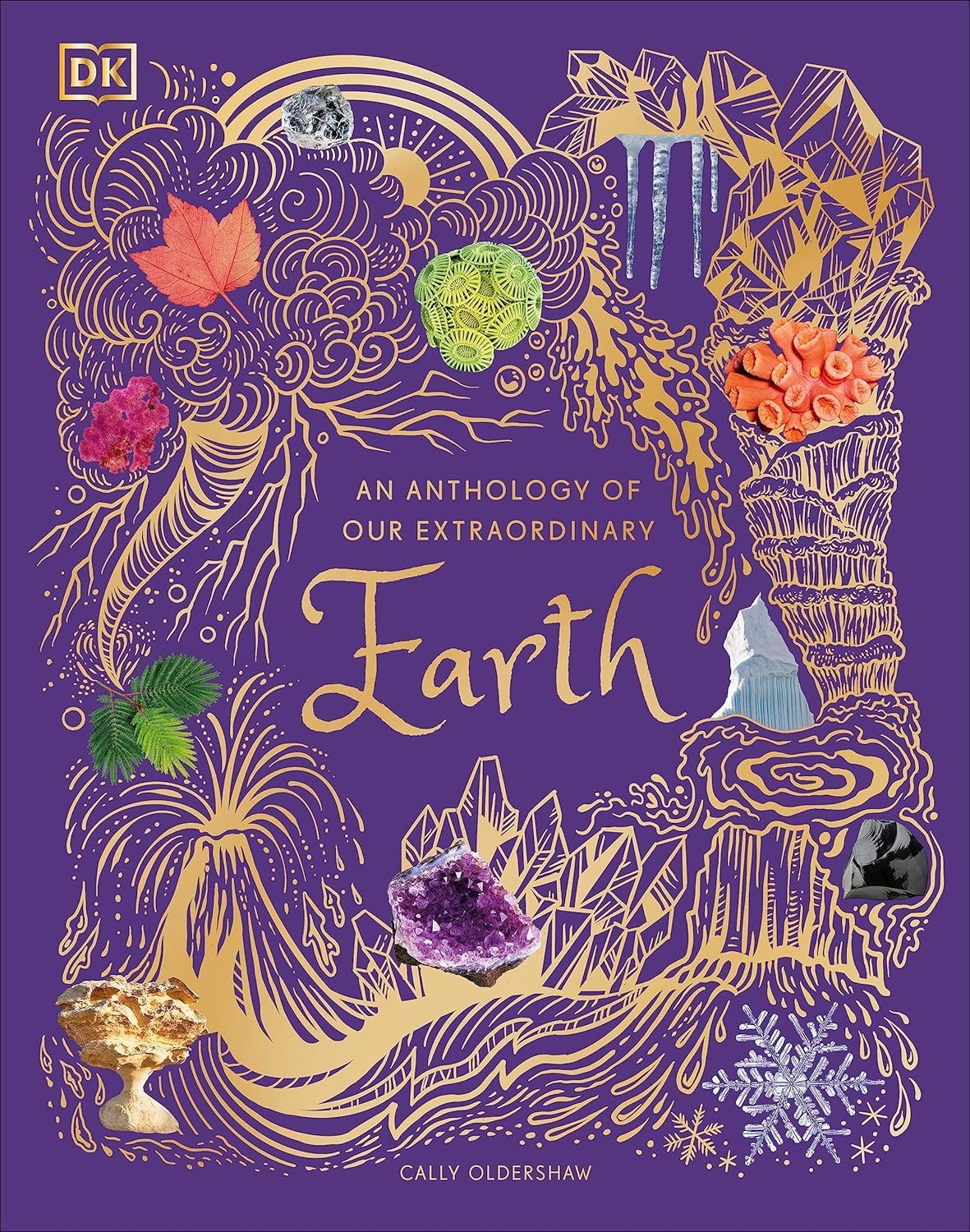
From molten-hot rock and smouldering volcanoes to icy glaciers and bubbling springs, this stunning compendium unlocks the mysteries of our living, breathing planet Earth. The latest title in the hugely popular Anthology series, An Anthology of Our Extraordinary Earth looks at our constantly changing planet, with breathtaking images and compelling narrative text. The book explores rushing waterfalls, magical dark caves, and weaving rivers In clear and lively prose that makes complex scientific ideas easy to understand for kids. Starting at the centre of the Earth, the book examines each layer in forensic detail: from Earth's metallic core, drilling through Earth's tough crust until emerging out onto the planet's surface, with its lush green rainforests, sparkling oceans, and snow-capped mountains, before sailing up into Earth's airy atmosphere. This fabulous book cannot fail to excite budding geologists, geographers, environmentalists, and all-round planet Earth enthusiasts everywhere.

With foil on the cover, gilded edges, and a ribbon for keeping your place, this book makes an attractive gift for any child who is fascinated by our planet. With engaging information and absorbing images, this book is perfect for children to explore by themselves or for bedtime stories.

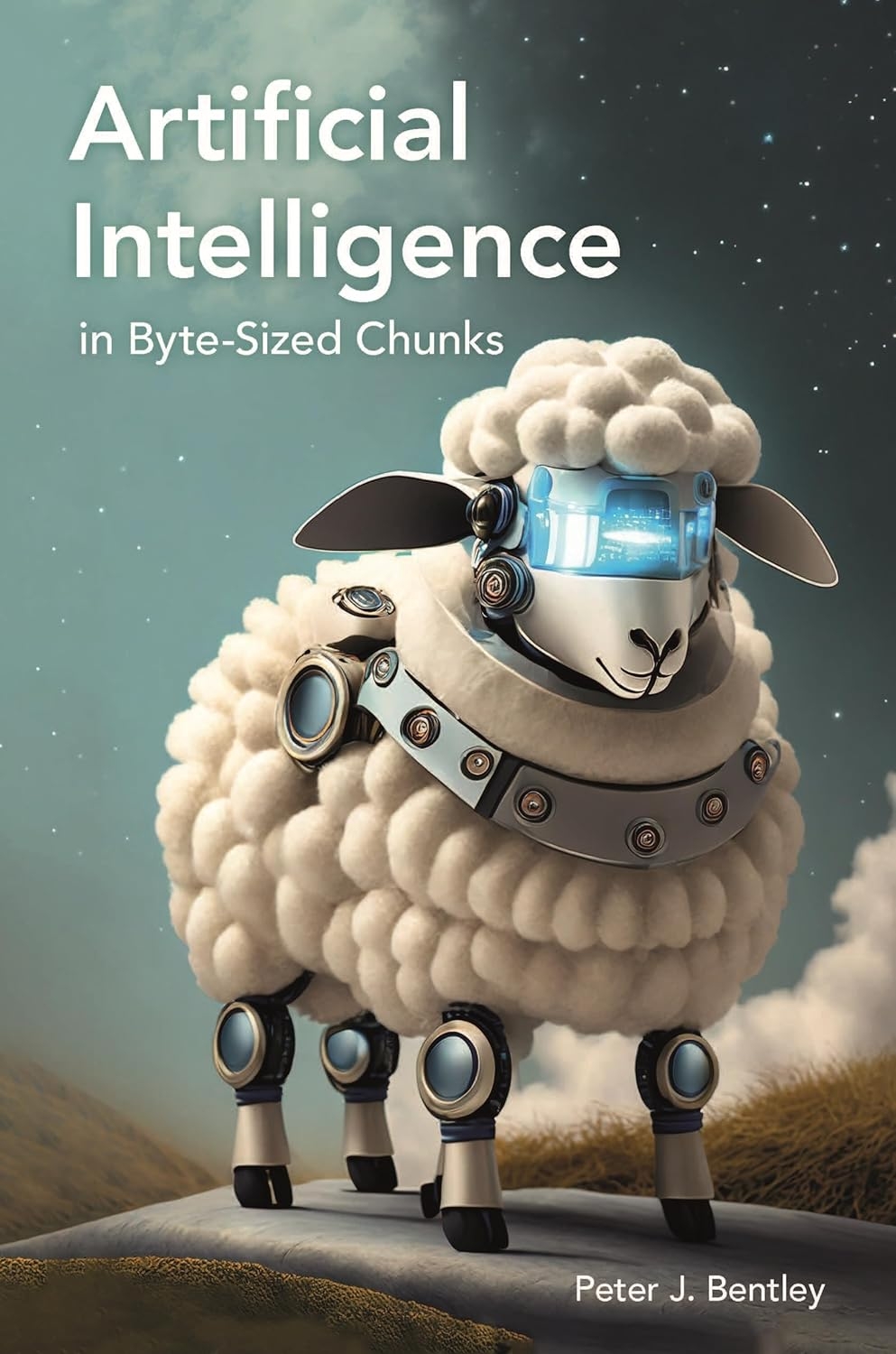
Artificial intelligence is headline news with the launch of the latest ChatGPT and Google Bard. But when did we start making computers mimic the human mind? And what is the reality of the capabilities of AI now, and in the future?

AI has always stirred emotions, and caused great excitement as well as great concern. Since the launch of large language models such as ChatGPT , the scope and capabilities of AI look set to transform our technology , in both good and bad ways. AI can help teach us how to write better or help us generate amazing artworks. But in the wrong hands, AI can create fake images and fake information that can be used to damage our societies. A new addition to the popular Bite-sized Chunks series, this expert-led book will explore how AI has developed from humble beginnings in the 1950s to today’s extraordinary AIs that have more neurons than the human brain. Focusing on specific AIs and their creators over the years, it explains the science and engineering behind each AI , discusses ethical issues and covers all the most fascinating information about one of the most important and contentious developments in human technology (including the latest on generative AI/ChatGPT), as well as what we can expect to see in the future of this field – all in short, accessible bite-sized chunks.

Artificial intelligence is headline news with the launch of the latest ChatGPT and Google Gemini. But when did we start making computers mimic the human mind? And what is the reality of the capabilities of AI now, and in the future?

AI has always stirred emotions, and caused great excitement as well as great concern. Since the launch of large language models such as ChatGPT, the scope and capabilities of AI look set to transform our technology, in both good and bad ways. AI can help teach us how to write better or help us generate amazing artworks. But in the wrong hands, AI can create fake images and fake information that can be used to damage our societies. A new addition to the popular Bite-sized Chunks series, this expert-led book will explore how AI has developed from humble beginnings in the 1950s to today’s extraordinary AIs that have more neurons than the human brain. Focusing on specific AIs and their creators over the years, it explains the science and engineering behind each AI, discusses ethical issues and covers all the most fascinating information about one of the most important and contentious developments in human technology (including the latest on generative AI/ChatGPT), as well as what we can expect to see in the future of this field – all in short, accessible bite-sized chunks.